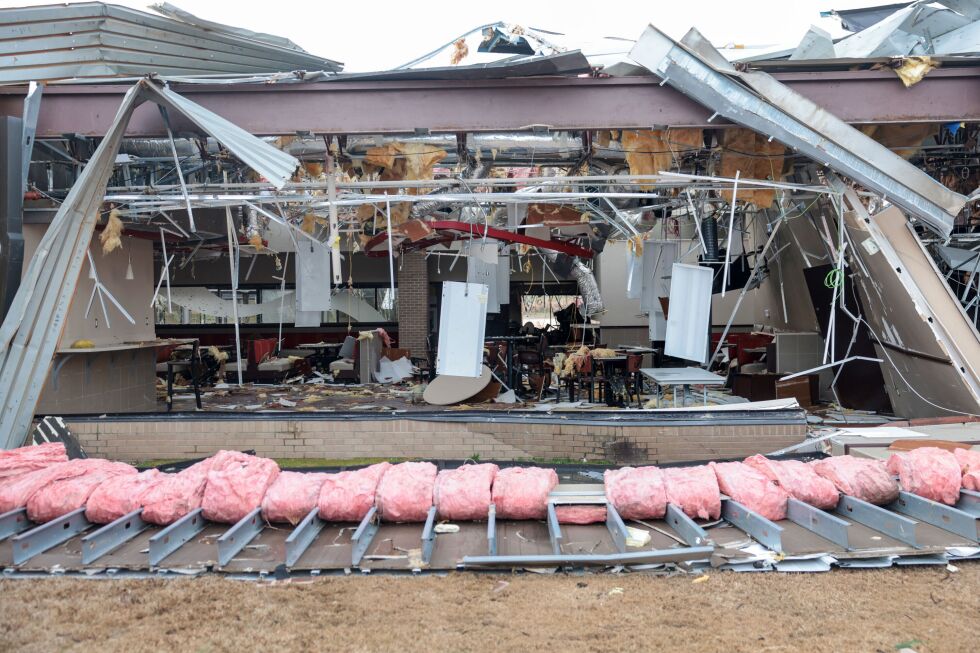
Navigating North Texas Storms: What to Know About Tornado Risk
North Texas is no stranger to the raw power of nature, particularly when it comes to severe weather. Situated squarely in a region often referred to as "Tornado Alley," residents here understand that powerful storms are not just a possibility but a frequent reality. From booming thunderstorms that unleash torrential rain and damaging hail to the more ominous threat of tornadoes, understanding and preparing for these meteorological events is paramount for safety and peace of mind. This article aims to equip you with essential knowledge about the nature of
storms North Texas experiences, with a particular focus on tornado risk, and how best to navigate these challenging conditions.
Understanding North Texas's Tornado Alley Position
The unique geographical and atmospheric conditions of North Texas make it a prime location for severe weather. The region sits at the convergence point of warm, moist air from the Gulf of Mexico, cool, dry air from the Rocky Mountains, and often, strong upper-level winds from the jet stream. When these ingredients mix, especially during spring and sometimes into the fall, the atmosphere can become incredibly unstable, leading to the formation of supercell thunderstorms – the kind most likely to produce tornadoes.
While the "traditional" Tornado Alley might extend further north, North Texas, including major metropolitan areas like Dallas, experiences a significant number of these volatile weather phenomena. Meteorologists often assess the risk of severe weather on a scale of 1 to 5, and it’s not uncommon for cities such as Dallas to be under a Level 2 or even higher risk, especially during active weather patterns. A Level 2 risk, for instance, means scattered severe storms are expected, which can include damaging winds, large hail, and a few tornadoes. This consistent threat underlines the need for residents to be constantly vigilant and prepared for rapidly changing conditions. Peak tornado season in North Texas generally runs from March through May, but significant events can and do occur outside of this window.
The Unique Dangers of Overnight Tornadoes
One of the most critical aspects of
storms North Texas residents must contend with is the heightened danger posed by tornadoes that strike at night. Studies and historical data consistently show that nocturnal tornadoes are significantly more deadly than those occurring during daylight hours. Several factors contribute to this increased lethality:
- Reduced Visibility: Darkness makes it incredibly difficult, if not impossible, to visually spot an approaching tornado. While radar can track rotation, visual confirmation is often a critical element for local emergency services and residents.
- People Are Asleep: The most obvious danger is that many people are asleep and thus unaware of warnings or the approaching threat. Critical minutes are lost when alarms have to wake people up, process the information, and then seek shelter.
- Warning Dissemination Challenges: While modern technology has improved, ensuring warnings reach everyone asleep can be challenging. Power outages can knock out internet and TV, making NOAA weather radios and battery-powered devices even more crucial.
To mitigate these risks, it is imperative for every North Texan household to have multiple ways to receive severe weather alerts, especially for overnight threats. This includes a NOAA weather radio with a battery backup, push notifications on smartphones from reliable weather apps, and local television or radio station alerts that can wake you up. Having a pre-determined safe space within your home and practicing getting there quickly, even in the dark, can be a literal lifesaver. You can find more specific advice on timely alerts in our related article:
North Texas Storm Alert: Dallas Faces Overnight Tornado Risk.
Beyond Tornadoes: Other Threats from Severe North Texas Storms
While tornadoes rightly grab headlines due to their destructive potential, it's vital to remember that not all severe
storms North Texas brings will produce a tornado. However, this doesn't diminish the threat. Severe thunderstorms can unleash a range of dangers that can cause significant property damage and pose a risk to life.
- Strong Thunderstorm Winds: Often referred to as straight-line winds or downbursts (microbursts), these winds can reach speeds comparable to an EF-1 or EF-2 tornado. They are the most common cause of widespread damage from non-tornadic severe storms, capable of tearing off roofs, toppling trees, and destroying structures. As we've seen in past events, high winds can leave homes reduced to rubble, even without a confirmed tornado.
- Large Hail: Hailstones the size of golf balls, baseballs, or even larger are a frequent occurrence during North Texas severe weather. This can cause extensive damage to vehicles, roofs, windows, and crops, leading to significant financial losses.
- Flash Flooding: With intense rainfall rates, urban areas and low-lying roads can quickly become inundated. Flash flooding is often underestimated but is one of the leading causes of weather-related fatalities. Never drive through flooded roads.
- Frequent Lightning: All thunderstorms produce lightning, which is incredibly dangerous. Direct strikes can be fatal, and indirect strikes can cause power outages and ignite fires.
- Power Outages: Severe weather, whether from high winds, lightning, or hail, frequently leads to widespread power outages, complicating emergency responses and daily life.
Understanding these varied threats helps residents prepare comprehensively. For a deeper look into the destruction caused by non-tornadic severe weather, read our article:
North Texas Storm Damage: Homes Reduced to Rubble by High Winds.
Essential Preparedness for North Texas Residents
Living in an area prone to severe
storms North Texas means preparedness isn't an option; it's a necessity. Here’s a comprehensive guide to ensure you and your family are ready before, during, and after a storm.
Before the Storm Season
- Stay Informed: Designate reliable sources for weather information, such as the National Weather Service (NWS), local news stations, and reputable weather apps.
- Create an Emergency Kit: Assemble a kit with essentials like non-perishable food, water (at least one gallon per person per day for several days), a battery-powered or hand-crank weather radio, flashlights, extra batteries, a first-aid kit, medicines, copies of important documents, and cash.
- Designate a Safe Room/Shelter: Identify the safest place in your home – typically an interior room on the lowest floor, away from windows, or a designated storm shelter/basement. Ensure everyone in the household knows where it is.
- Develop a Family Communication Plan: Establish how you will contact family members if separated, especially if cell service is down. Choose an out-of-state contact who everyone can check in with.
- Review Insurance Policies: Understand your home insurance coverage for wind, hail, and flood damage. Document your belongings with photos or videos.
- Harden Your Home: Trim trees, secure loose outdoor items, and consider storm shutters or impact-resistant windows if feasible.
During a Storm Warning
- Stay Tuned: Monitor weather updates continuously. Understand the difference between a "Watch" (conditions are favorable for severe weather) and a "Warning" (severe weather is imminent or occurring).
- Take Shelter Immediately: If a tornado warning is issued for your area, head to your designated safe space without delay. Crouch down and protect your head and neck.
- Avoid Windows: Stay away from windows, doors, and exterior walls.
- Stay Off Roads: Do not attempt to drive during severe weather. If caught in a car, seek sturdy shelter or lie in a ditch away from your vehicle.
After the Storm
- Assess Damage Safely: Once the immediate threat has passed, check for injuries. Be cautious of structural damage, downed power lines, and gas leaks.
- Report Outages/Damage: Notify your utility company of power outages and contact emergency services for serious damage or injuries.
- Document and Contact Insurance: Take photos and videos of all damage for insurance claims.
- Help Neighbors: If safe to do so, check on neighbors, especially the elderly or those with special needs.
Conclusion
Living in North Texas means embracing a vibrant community and a dynamic environment, which includes the reality of severe weather. While the prospect of
storms North Texas might bring can be daunting, knowledge and preparedness are your greatest allies. By understanding the unique meteorological factors at play, recognizing the specific dangers of overnight tornadoes and other storm threats, and diligently implementing preparedness strategies, you can significantly enhance your safety and resilience. Stay informed, stay prepared, and stay safe.