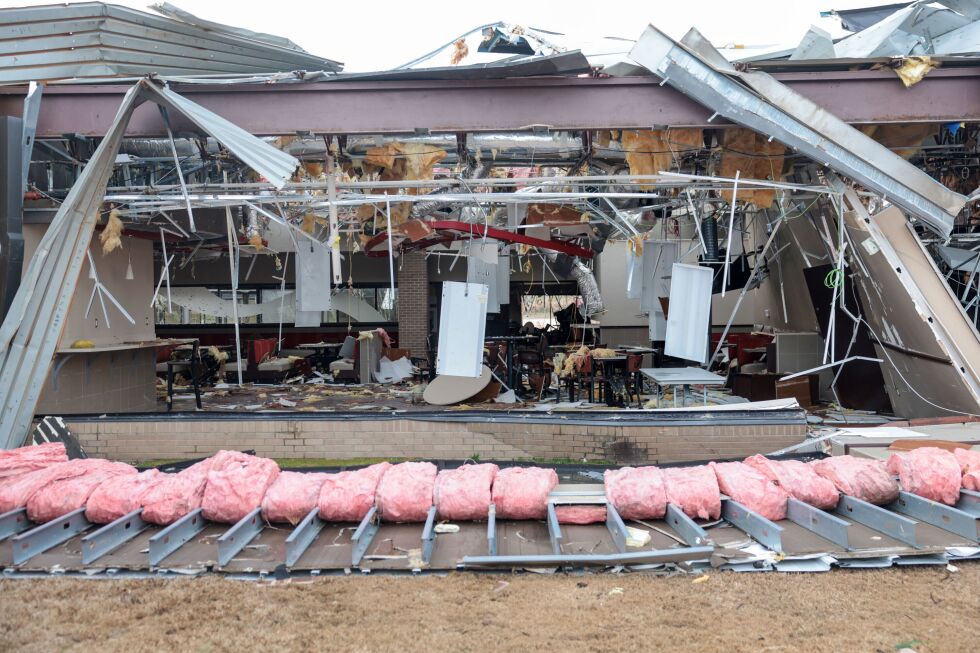
North Texas Storm Damage: Homes Reduced to Rubble by High Winds
The wrath of recent storms across North Texas has left a trail of devastation, painting a grim picture of homes reduced to rubble and communities grappling with widespread destruction. High winds, often reaching terrifying speeds, have proven to be a formidable force, ripping roofs from structures, toppling trees, and leaving entire neighborhoods unrecognizable. While the term "tornado" often captures headlines, the sheer power of straight-line winds during severe thunderstorms can be equally catastrophic, demonstrating the unpredictable and immense power of nature in the heart of the Southern Plains.
Residents in areas like Dallas and surrounding communities have once again faced the daunting reality of severe weather, with many experiencing significant property damage. These aren't just isolated incidents; they are stark reminders of why understanding and preparing for storms North Texas endures is not just advisable, but essential for safety and resilience.
The Raw Power of North Texas Storms: When High Winds Decimate Homes
The imagery coming out of affected areas speaks volumes: skeletal remains of houses, debris scattered for miles, and personal belongings exposed to the elements. This level of destruction is typically associated with powerful tornadoes, but experts confirm that many recent incidents of significant structural failure are often attributed to extreme straight-line winds. These powerful gusts, sometimes exceeding 100 mph, can mimic the damage path of an EF-1 or even EF-2 tornado, yet they are categorized differently. They push relentlessly across wide swaths, exerting immense pressure on buildings, tearing off shingles, collapsing walls, and literally lifting roofs from their foundations.
When storms North Texas experiences bring such intense winds, the impact on residential areas is profound. Homes, even those built to code, can succumb to the sustained force. Flying debris – everything from fencing and outdoor furniture to larger structural components – becomes deadly projectiles, compounding the damage. For many homeowners, the sight of their cherished dwelling transformed into a pile of splintered wood and twisted metal is an unimaginable nightmare. The financial burden of repair, coupled with the emotional toll of losing a sense of security, creates a challenging road to recovery for countless families.
The ongoing threat of these powerful wind events means that communities across North Texas must remain vigilant. Understanding the difference between straight-line winds and tornadoes, while important meteorologically, does little to comfort those whose homes have been destroyed. The practical advice remains the same: seek shelter, stay informed, and prepare for the worst, regardless of the precise meteorological label attached to the destructive force.
Navigating the Night: The Increased Danger of Overnight Tornadoes
The dangers posed by storms North Texas residents face are often compounded when severe weather strikes under the cover of darkness. Meteorologists and emergency management officials consistently highlight the heightened risk associated with night-time tornadoes, noting that they are significantly more likely to be deadly than those occurring during daylight hours. This increased lethality stems from several critical factors, primarily reduced visibility and the fact that many people are asleep and less likely to receive or react to warnings in time.
When a line of thunderstorms begins to take shape, stretching from the Southern Plains to the Midwest, as it frequently does, cities like Dallas find themselves in the direct path. These systems often move rapidly, bringing with them a dual threat: strong thunderstorm winds and the very real possibility of embedded tornadoes. By daybreak, after an intense overnight assault, communities can wake up to devastating scenes.
The reference to Level 2 (out of 5) risks for severe weather, often extended well past midnight local time, underscores this peril. Residents in Dallas and surrounding areas are routinely advised to have multiple ways to receive warnings, including NOAA weather radios, weather apps with push notifications, and local news alerts that can cut through the quiet of night. Unlike daytime events where visual cues like darkening skies or cloud rotation might prompt earlier action, night-time tornadoes offer little to no visual warning, making timely electronic alerts absolutely crucial. As North Texas faces these nocturnal threats, knowing what to do when an alert sounds in the middle of the night can be a literal lifesaver. For more detailed insights into preparing for these specific risks, read our guide on North Texas Storm Alert: Dallas Faces Overnight Tornado Risk.
The devastating impacts seen in other regions, such as Oklahoma and Michigan, where overnight tornadoes have caused widespread destruction, serve as grim reminders of what can happen in the Central and Southern Plains. For North Texas, vigilance during the night is not merely a recommendation but a vital component of storm preparedness.
Beyond the Immediate Threat: Understanding North Texas's Storm Landscape
North Texas occupies a notorious position within "Tornado Alley," a broad region of the central United States where warm, moist air from the Gulf of Mexico clashes with cool, dry air from the Rockies and polar fronts. This atmospheric collision creates ideal conditions for the formation of powerful thunderstorms, and crucially, tornadoes. While the Lower Mississippi River Valley and the Deep South might see a higher statistical chance of March tornadoes, the Central and Southern Plains, including North Texas, are consistently vulnerable when the right meteorological conditions converge.
Understanding these conditions is key to appreciating the persistent threat of storms North Texas faces. Factors like significant wind shear (changes in wind speed and direction with height), atmospheric instability, and ample moisture are the ingredients in this dangerous recipe. These can lead to not only rotating supercell thunderstorms capable of producing tornadoes but also derechos – widespread, long-lived wind storms associated with rapidly moving bands of thunderstorms – and microbursts, powerful localized columns of sinking air that can produce wind damage similar to a small tornado.
For residents, this means that every spring and often into the early summer, the risk of severe weather looms large. Staying informed isn't just about watching the local news; it involves understanding weather forecasts, familiarizing oneself with storm terminology, and having a plan in place. Resources like the National Weather Service (NWS) provide invaluable information on current risks, outlooks, and specific watches and warnings for the North Texas region. Equipping oneself with knowledge about the types of storms prevalent in the area and how they manifest is a proactive step towards safety. Further details on navigating these complex weather patterns can be found in our article: Navigating North Texas Storms: What to Know About Tornado Risk.
Preparing for the Unpredictable: Essential Storm Safety & Recovery Tips
Given the frequent and intense nature of storms North Texas experiences, preparedness is not a luxury, but a necessity. A proactive approach can significantly mitigate damage, protect lives, and ease the recovery process.
Pre-Storm Preparation:
- Emergency Kit: Assemble a comprehensive kit with non-perishable food, water, first-aid supplies, flashlights, extra batteries, a NOAA weather radio, medications, and copies of important documents.
- Safe Room/Shelter: Identify the safest place in your home – typically an interior room on the lowest floor, away from windows. If you live in a mobile home or an area prone to severe tornadoes, know the location of the nearest community shelter.
- Secure Outdoor Items: Before a storm, bring in or securely fasten anything that could become a projectile, such as patio furniture, garbage cans, and toys. Trim dead or weak tree branches that could fall.
- Stay Informed: Have multiple ways to receive weather alerts, including weather apps, local news, and a battery-powered or hand-crank NOAA weather radio.
- Practice Drills: Periodically practice your family's storm plan, especially if you have children, so everyone knows what to do when a warning is issued.
During a Storm:
- Seek Immediate Shelter: If a tornado warning is issued or high winds are imminent, go to your designated safe place immediately.
- Stay Low: Get down on your knees, cover your head and neck with your arms, and protect yourself from flying debris.
- Stay Away from Windows: Even strong winds can shatter glass, turning it into dangerous shards.
- Monitor Alerts: If it's safe to do so, continue to monitor weather updates to know when the threat has passed.
Post-Storm Recovery:
- Assess Damage Safely: Once the storm has passed and it's safe to venture out, carefully assess your property for damage. Watch out for downed power lines, gas leaks, and weakened structures.
- Document Everything: Take extensive photos and videos of all damage for insurance purposes before attempting any repairs.
- Contact Your Insurance Company: Report your claim as soon as possible.
- Beware of Scammers: Be wary of unsolicited contractors offering immediate repairs. Verify credentials and get multiple quotes.
- Community Support: Reach out to local emergency services or community groups for assistance if needed. Offer help to neighbors if you are able.
Conclusion: Building Resilience in the Face of North Texas Storms
The destructive power of recent storms across North Texas serves as a stark reminder of our vulnerability to nature's fury. From homes tragically reduced to rubble by high winds to the terrifying threat of overnight tornadoes, the challenges posed by severe weather are immense and recurring. However, alongside the devastation, there is always the spirit of community resilience and the unwavering commitment to rebuild. By understanding the meteorological forces at play, meticulously preparing for potential threats, and knowing how to respond effectively before, during, and after a storm, North Texans can collectively strengthen their defenses. While we cannot control the weather, we can control our readiness, ensuring that our homes and families are as safe as possible when the next formidable storm rolls in.